
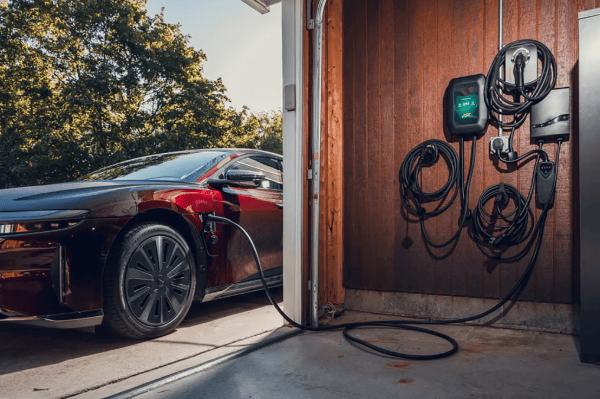
An electric car charging station franchise can work at a mall or hotel when charging fits the time visitors already spend on the property. A hotel guest parking overnight may get useful energy from an AC charger. A mall visitor working with a shorter parking window may benefit from DC charging if the vehicle and site can support it. Start with visit patterns, then plan the bays and assign responsibilities to parking, reception and facilities staff.
An Electric Car Charging Station Franchise Starts With Visitor Dwell Time
Pull a representative sample of parking entry and exit data if your site collects it. Separate the groups that use parking differently. At a mall, include cinema visitors, restaurant customers and shoppers who stop for an errand. At a hotel, compare overnight guests, people attending functions and visitors who drop in for a meal. Note when each group arrives and when the busiest groups overlap.
Turn parking time into usable charging time
Allow for entry, finding a free bay, authorising the session and leaving. An illustrative hotel guest with seven hours of active charging time and an average of 3 kW delivered would receive about 21 kWh. An illustrative shopper with 45 minutes of active charging time and an average of 20 kW would receive about 15 kWh. These simple examples assume a constant average over the active window. Vehicle limits, the battery’s starting charge and shared power can change the result.
| Visitor group | Usage pattern to check | Charging approach to assess |
|---|---|---|
| Overnight guests | Several hours parked and limited movement after check-in | AC bays with clear overnight access and a fair allocation policy |
| Cinema visitors | Longer visits with clustered arrival and exit times | AC or DC based on desired energy and the ability to move cars |
| Short-stay shoppers | Short visits and frequent bay turnover | DC if observation supports demand and the site has capacity |
| Event and dining guests | Demand concentrated around certain hours | Flexible access with a plan for parking and bay clearance |
Choose AC or DC Using the Property’s Operating Plan
With AC charging, the car’s on-board charger converts the electricity for the battery. DC charging equipment supplies DC to the vehicle and can support higher power where the vehicle and installation allow it. Review the connectors and power the vehicles at your site can use. NITI Aayog’s handbook explains the equipment types, power ratings and charging standards. Handbook for EV Charging Infrastructure Implementation
Ask facilities staff to check typical building demand and when the charger is most likely to run. A weekend event may put more pressure on electrical capacity and parking space at the same time. Give the electrical professional a schedule of event, cooling and kitchen loads and ask how they affect the available capacity. Have the operator demonstrate what each connector delivers when multiple cars charge together.
Allow for different parking rules at a mall and a hotel
For a mall, decide how guests can move their cars after charging if they are in a film or halfway through a meal. If the site can send a completion message, ask what it says and whether parking charges or idle fees are also explained. At a hotel, consider how an early departure affects bay allocation. Longer overnight stays may leave a charged vehicle in the bay until morning, so the number of usable overnight spaces can matter more than their advertised power.
Put the Charging Bays Where Guests and Staff Can Use Them
Walk from the entrance to each proposed bay and then to the lift, reception desk or mall entrance. Note which approach works for visitors who arrive after hours. Check vehicle turning room, cable reach, signage and mobile reception at the bays. Ask the building team to evaluate each location against site safety and accessibility requirements and route installation work around peak trading hours.
Ask any shortlisted electric vehicle charging company in India to review the route with your facilities team. If EarthtronEV is on your shortlist, share the same annotated parking plan and visitor dwell-time data you send to other bidders.
Give Each Property Team a Clear Role
At a hotel, include charging information in the booking confirmation or check-in conversation where it helps guests plan. Reception staff should know where the bays are, when they can be used and how to contact the operator. If the hotel uses valet parking, agree with the operator and hotel management when attendants may move vehicles and how the guest authorises this. At a mall, brief parking staff on signs, access and what to do if a charging bay is blocked.
Facilities staff need to know whom to call for faults and how to document them. Finance needs to know whose receipt covers charging and who handles refunds. Run a trial before a busy period. Ask a first-time visitor to find the bay, start charging and raise a support request. Use their experience to correct the directions and staff instructions.
Check whether the pilot is solving a parking problem
In the first weeks, record when vehicles plug in, when charging ends and when cars actually leave. At a hotel, a bay that stays occupied overnight may serve its purpose well. At a mall, similar occupancy could block several visitors who wanted short sessions. Speak to reception and parking staff about the enquiries they handled and review the timings against the visitor groups in your plan. If visitors miss the chargers entirely, improve the directions and measure demand again before adding equipment.
Frequently Asked Questions
Can hotels hold a charging bay for an arriving guest?
Only promise it if the property can manage reservations and deal with a previous user who has stayed longer than expected. Tell the guest how long the bay will be held.
Should charging be included in the parking or room price?
Decide who funds the charging and how usage will be recorded. If separate charges apply, explain them where guests are likely to see them before arrival.
Can hotel staff and guests share chargers?
Yes, with an access plan that protects guest availability when it matters most. Consider off-peak staff use and review actual overlap during the pilot.
Can a mall limit charging to opening hours?
Yes, if the charging service and public listing reflect those hours. Check how drivers can leave if a session continues close to closing time and whether the parking exit remains available.
What helps decide whether to add more bays?
Review occupied time, active charging time and drivers who left because bays were unavailable. If chargers are frequently occupied by cars that have finished, review the parking process as part of the expansion decision.
Design the Service Around a Typical Visit
Choose the first bays and charger mix using the time customers already park and the power the property can reliably deliver. Run the pilot with reception, parking and facilities staff involved. Expand when session and parking records show which users need more capacity and when they need it.