The automotive industry has changed significantly as more customers rely on online platforms to research vehicles, compare prices, and explore dealership options before making purchasing decisions. Traditional advertising and showroom visits are no longer the only ways to attract potential buyers. Today, automotive businesses need effective digital strategies to reach interested customers, provide useful information, and maintain communication throughout the buying journey. Automotive digital marketing allows dealerships to build stronger customer relationships while creating more opportunities for inquiries, test drives, and vehicle sales.
The Changing Role of Digital Marketing in the Automotive Industry
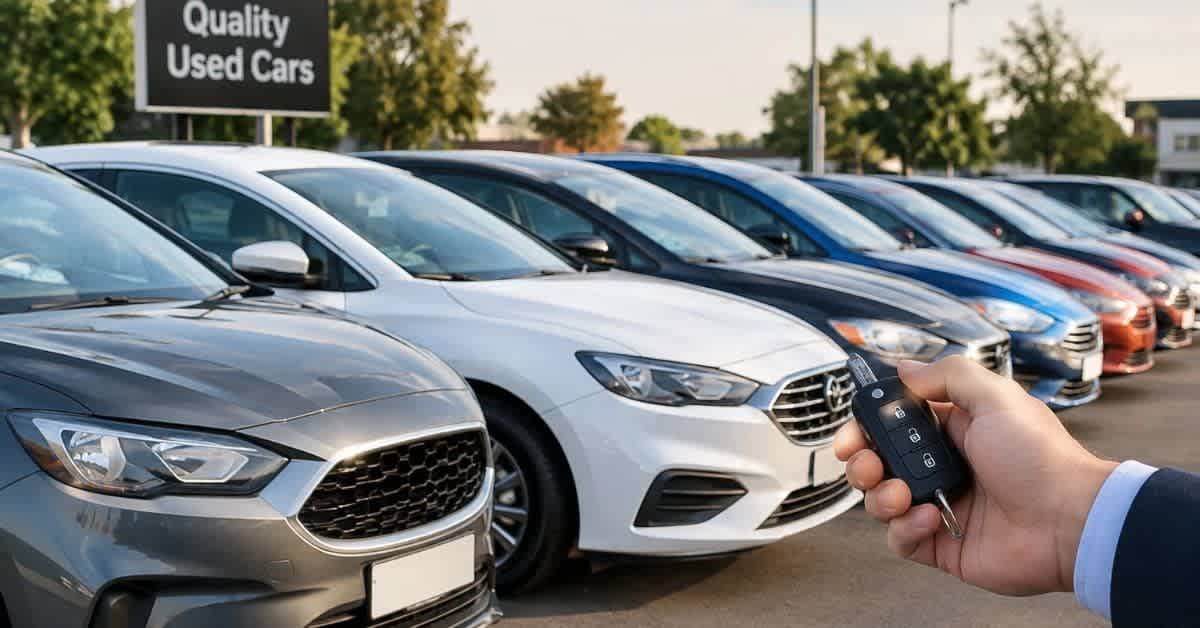
Car buyers now expect convenient access to vehicle information before contacting a dealership. They often compare different models, read customer reviews, check available features, and investigate financing options online. This shift has encouraged dealerships to develop a stronger digital presence. Publishing useful articles about vehicle maintenance, buying considerations, safety features, and model comparisons can also attract visitors through search engines. For example, buyers researching Low Mileage Used Cars can benefit from understanding vehicle condition, maintenance history, and mileage before making a purchasing decision.
Websites, search engines, social media platforms, and online advertising help automotive businesses connect with audiences who are already interested in purchasing vehicles. Instead of relying entirely on traditional promotional methods, dealerships can use digital channels to share inventory updates, highlight special offers, and answer common customer questions.
A well-organized online presence also helps establish credibility. When potential buyers can easily find accurate vehicle information and dealership details, they may feel more confident about taking the next step.
How Dealerships Connect With Modern Car Buyers
Reaching potential customers requires more than publishing occasional advertisements. Automotive businesses need to understand what buyers are searching for and provide information that supports their decisions.
Creating Helpful Website Content
A dealership website often serves as the first point of contact for potential customers. It should provide clear information about available vehicles, specifications, pricing, financing options, and dealership services.
Publishing useful articles about vehicle maintenance, buying considerations, safety features, and model comparisons can also attract visitors through search engines. This approach gives customers helpful information while introducing them to the dealership’s expertise.
Using Social Media to Increase Visibility
Social media platforms provide opportunities to showcase vehicle inventory, share promotional announcements, and communicate with interested buyers. Dealerships can publish vehicle photographs, walkaround videos, customer testimonials, and updates about newly available models.
Responding to comments and direct messages is equally important. Timely communication helps answer questions and encourages potential customers to continue exploring available options.
Building Long-Term Customer Relationships Through Online Communication
Attracting a new buyer is only one part of dealership marketing. Maintaining communication after an inquiry or showroom visit can be equally valuable. Some customers need additional time to compare vehicles, review their budgets, or discuss purchasing decisions with family members.
Dealerships can use personalized communication to remain connected without overwhelming potential buyers. Sharing relevant information about vehicle availability, financing opportunities, and service packages helps keep customers informed.
Personalized Customer Communication
Not every customer has the same requirements. Someone searching for a family SUV may be interested in safety features and interior space, while another buyer may prioritize fuel efficiency or affordable maintenance.
Understanding these differences allows dealerships to send more relevant messages. Personalized communication makes promotional content more useful and helps customers find information that matches their interests.
Following Up With Potential Buyers
A customer who requests vehicle information may not make an immediate purchase. A thoughtful follow-up can remind them about the vehicle, answer unanswered questions, or provide details about similar models.
However, dealerships should avoid sending repetitive messages. Communication should be timely, relevant, and respectful of customer preferences.
Why Email Campaigns Matter for Automotive Businesses
Email remains a practical communication channel for automotive dealerships because it allows businesses to deliver detailed information directly to interested customers. Unlike short social media updates, emails can include vehicle highlights, promotional announcements, maintenance reminders, and dealership news in an organized format.
An effective email strategy can support different stages of the customer journey. New leads may receive information about available vehicles, while existing customers can receive service reminders and updates about dealership offers.
For businesses looking to improve their communication strategy, Email Marketing for Car Dealerships offers a relevant approach to maintaining customer engagement through targeted campaigns, useful updates, and consistent follow-ups.
Dealerships should also pay attention to message quality and timing. Clear subject lines, helpful information, and relevant calls to action can make email communication more valuable. Customers should have appropriate options to manage their communication preferences.
Combining Digital Channels for Better Dealership Performance
Using multiple marketing channels together can create a more consistent customer experience. For example, search engine optimization can help buyers discover a dealership, while social media can introduce available vehicles and email campaigns can maintain communication with interested prospects.
Paid advertising can also support these activities by reaching audiences searching for specific vehicle models or automotive services. However, dealerships should ensure that their advertising messages match the information provided on their websites.
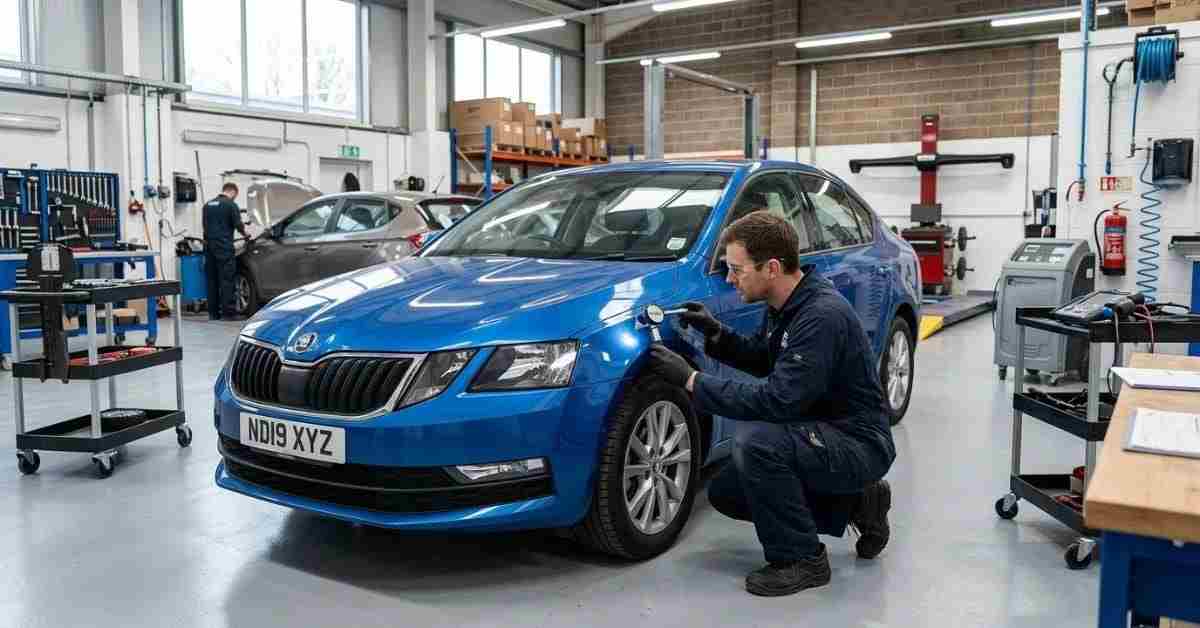
Consistency matters across every channel. Vehicle descriptions, pricing information, promotional details, and contact information should remain accurate. Conflicting information can confuse potential buyers and reduce confidence in the business.Providing useful automotive information is another way dealerships can build customer confidence. Sharing educational resources about Vehicle Crash Repair Quality can help buyers understand the importance of proper vehicle inspections, repair standards, and safety checks when evaluating a car.
Measuring the Success of Automotive Marketing Strategies
Digital marketing gives dealerships access to performance information that can help them understand which activities are producing useful results.
Some important measurements include:
- Website traffic: Shows how many people visit dealership pages and explore available vehicles.
- Lead generation: Measures inquiries submitted through contact forms, phone calls, and other channels.
- Email engagement: Helps evaluate whether recipients are opening messages and interacting with their content.
- Social media engagement: Indicates how audiences respond to vehicle posts, videos, and announcements.
- Conversion rates: Helps determine how effectively marketing activities turn interested prospects into customers.
Reviewing these measurements regularly allows dealerships to identify successful campaigns and improve areas that are underperforming. Rather than focusing only on the number of website visitors or social media followers, businesses should consider whether their marketing activities generate meaningful inquiries and customer relationships.
Moving Forward With a Stronger Automotive Marketing Strategy
The future of automotive dealership marketing depends on understanding customer expectations and providing useful information throughout the buying process. A combination of website content, search visibility, social media activity, personalized communication, and email campaigns can help dealerships create stronger connections with potential buyers.
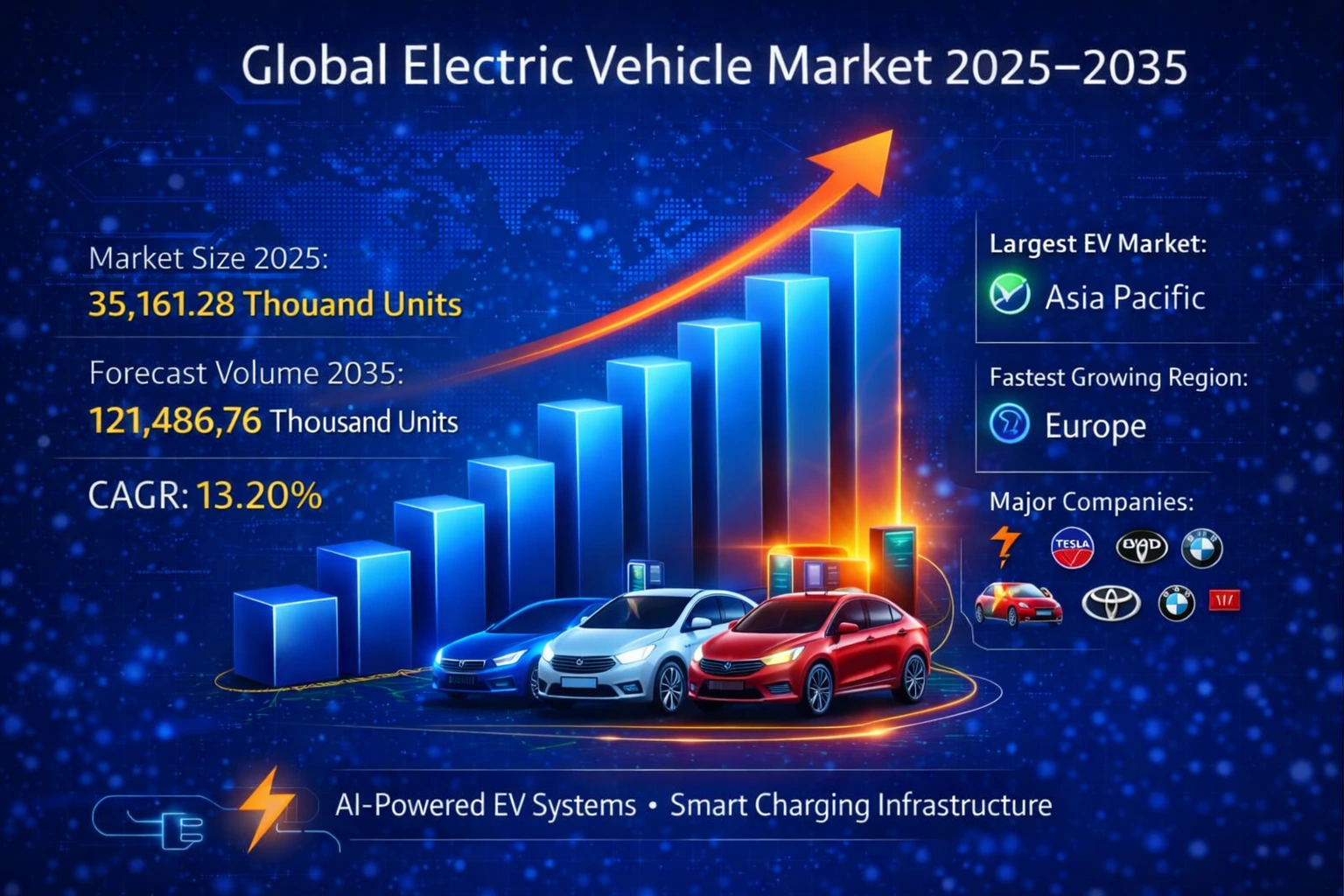
Businesses that focus on relevant messaging, accurate information, and consistent customer engagement are better positioned to build trust and encourage repeat interactions. By evaluating performance and adapting their strategies, automotive dealerships can strengthen their digital presence while creating a more convenient experience for modern car buyers.Staying informed about the latest developments in the automotive sector can help dealerships understand changing customer expectations, emerging technologies, and industry trends. Exploring reliable Automotive Industry Insights also provides readers with broader knowledge about developments shaping the modern automotive market.
Frequently Asked Questions
1. Why is digital marketing important for automotive dealerships?
Digital marketing helps dealerships reach online car shoppers, showcase vehicle inventory, generate inquiries, and maintain communication with potential customers.
2. How can dealerships attract more online car buyers?
They can improve their websites, publish helpful automotive content, use search engine optimization, share engaging social media posts, and run targeted advertising campaigns.
3. How does email marketing support dealership customer relationships?
Email campaigns allow dealerships to share personalized vehicle updates, promotional information, service reminders, and follow-up messages with interested customers.