
United States Automotive Engine Oils Market Executive Summary
This report provides a comprehensive United States Automotive Engine Oils Market analysis covering engine oil market size and share across product types, engine categories, vehicle segments, and regional markets. The United States Automotive Engine Oils Market study offers deep insights into demand patterns, pricing trends, competitive strategies, and technological advancements shaping the industry through 2035.
Researchers and business strategists exploring the United States Automotive Engine Oils Market will find detailed segmentation data covering mineral, semi-synthetic, and fully synthetic motor oil categories across both passenger car and commercial vehicle applications. The United States Automotive Engine Oils Market report profiles leading players including BP PLC (Castrol), Exxon Mobil Corporation, Shell Plc, Chevron Corporation, Valvoline Inc., TotalEnergies SA, FUCHS Group, Motul S.A., AMSOIL Inc., and LIQUI MOLY GmbH.
 Request a Free Sample Report With Table of Contents
These companies collectively shape the competitive landscape of the United States Automotive Engine Oils Market through continuous product innovation, OEM partnerships, and expanding distribution networks across the United States. Each player profiled in this United States Automotive Engine Oils Market report is evaluated on the basis of product portfolio, regional presence, pricing strategy, sustainability initiatives, and recent developments. The findings presented in this United States Automotive Engine Oils Market report are designed to support informed decision-making for investors, manufacturers, distributors, and policymakers operating within the US automotive lubricants industry.
United States Automotive Engine Oils Market Overview
The United States Automotive Engine Oils Market has long been a cornerstone of the country’s automotive aftermarket, supporting millions of vehicles across passenger car, light commercial, and heavy duty segments. With over 280 million registered vehicles and one of the highest per-capita vehicle ownership rates globally, the United States represents one of the largest consumption bases for passenger car motor oil (PCMO) and commercial lubricants worldwide. The automotive oil demand forecast between 2026 and 2035 reflects a United States Automotive Engine Oils Market navigating dual pressures: the rise of electric and hybrid vehicles on one hand, and a large, aging internal combustion engine (ICE) vehicle fleet that continues to drive consistent lubricant demand on the other.
The gradual adoption of EVs is a structural headwind for the United States Automotive Engine Oils Market — battery electric vehicles require no engine oil. However, hybrid vehicle engine oil needs represent a growing and technically demanding niche, as hybrid powertrains place unique thermal and lubrication stresses on stop-start engine oil technology. The overall United States Automotive Engine Oils Market reflects a complex demand picture, with volume softening at the commodity end and the engine oil premiumization trend accelerating at the top. Leading lubricant manufacturers are responding by investing in advanced motor oil additive package performance, low-viscosity engine oil grades, and OEM-approved synthetic formulations.
Extended drain interval oil is another prominent trend reshaping demand patterns across the United States Automotive Engine Oils Market. Modern fully synthetic motor oil formulations deliver oil change intervals of 10,000–15,000 miles or more, reducing volume consumption even as vehicle populations remain large. Simultaneously, the emergence of electric drive unit fluid and EV lubricant categories is creating new adjacent revenue streams for traditional engine oil manufacturers operating in the United States Automotive Engine Oils Market. As ILSAC GF-7 and API SP standards continue to raise performance benchmarks, the United States Automotive Engine Oils Market is poised for significant qualitative transformation through 2035.
United States Automotive Engine Oils Industry Segmentation:
By Oil Type
The US automotive lubricants market is segmented by oil type into mineral, semi-synthetic, and fully synthetic motor oil categories.
Mineral Engine Oil
Conventional mineral oil, derived directly from crude oil refining, remains present in the market but is rapidly losing ground. It serves a diminishing base of older vehicles and price-sensitive consumers. The growing enforcement of OEM oil specifications that mandate engine oil viscosity grade SAE classification at synthetic-grade performance levels is steadily eroding the mineral oil segment.
Semi-Synthetic Engine Oil
Semi-synthetic formulations occupy the mid-tier of the market, offering improved motor oil additive package performance, oxidation resistance, and thermal stability over pure mineral oils while remaining more affordable than full synthetics. This segment continues to serve a broad cross-section of passenger car and light commercial vehicle owners.
Fully Synthetic Motor Oil
Fully synthetic motor oil is the fastest-growing segment and the primary engine of the engine oil premiumization trend in the United States. Driven by OEM fill mandates, the transition to 0W-20, 0W-16, and 5W-30 engine oil grades, and the rising preference for extended drain interval oil, fully synthetic products now dominate premium retail and quick lube service center channels. The introduction of ILSAC GF-7 and API SP standards has further accelerated the shift to advanced synthetic formulations delivering better fuel economy, reduced wear, and lower emissions.
By Engine Type
Gasoline Engine
Gasoline-powered vehicles account for the majority of registered passenger cars and light commercial vehicles in the United States. This segment drives the bulk of passenger car motor oil (PCMO) demand and has been most influenced by the shift to low-viscosity engine oil grades. The engine oil premiumization trend is most pronounced here, with turbocharged engine oil requirements adding technical complexity. OEMs like General Motors (dexos1 Gen3), Toyota, and Ford now specify advanced synthetic oils with low-speed pre-ignition (LSPI) protection.
Diesel Engine
Diesel engine oils operate under significantly higher thermal and pressure conditions than gasoline equivalents. The heavy duty motor oil diesel fleet segment — comprising long-haul trucks, construction equipment, and fleet vehicles — is a critical demand pillar. API CK-4 and FA-4 specifications govern this segment, aligning performance with EPA Tier 3 fuel economy and CARB emissions compliance. The commercial vehicle lubricant market in the USA is a high-value B2B channel for all major players.
Alternative Fuel & Hybrid Vehicles
Alternative fuel vehicles — including hybrids, flex-fuel, and CNG vehicles — represent the fastest-evolving lubrication segment within the United States Automotive Engine Oils Market. Hybrid vehicle engine oil must address frequent cold starts, short trip cycles, dilution risk from gasoline combustion, and high-load electric assist scenarios. The United States Automotive Engine Oils Market is witnessing growing demand for specialized formulations as hybrid and alternative fuel vehicles become an increasingly significant share of the total US vehicle population.
Manufacturers competing in the United States Automotive Engine Oils Market are developing dedicated stop-start engine oil technology formulations, making this a high-growth sub-segment with strong future potential. Electric drive unit fluid and EV lubricant requirements are also expanding rapidly as electrified powertrain adoption accelerates across the United States. These emerging fluid categories are creating new revenue opportunities for leading United States Automotive Engine Oils Market players who are investing heavily in next-generation lubrication solutions to stay ahead of the electrification curve through 2035.
By Vehicle Type
The market is analyzed across four vehicle type segments:
- Passenger Cars: The largest segment by volume, dominated by fully synthetic motor oil and low-viscosity grades. High mileage engine oil products for vehicles with 75,000+ miles represent a fast-growing sub-category.
- Light Commercial Vehicles (LCVs): Pick-up trucks, vans, and SUVs used commercially form a significant portion of the US market, straddling both PCMO and commercial lubrication needs.
- Heavy-Duty Vehicles: Long-haul trucks, commercial fleets, and construction machinery demand high-performance diesel engine oils meeting stringent API CK-4 specifications. The commercial vehicle lubricant market in the USA is anchored by this segment.
- Motorcycles: A niche but growing category, with dedicated wet-clutch-compatible formulations designed for high-RPM performance in the motorcycle engine oil US market.
Regional Market Analysis
The US automotive lubricants market is analyzed across eight key regional markets, each with distinct demand drivers:
New England
Cold winters and urban commuting patterns drive strong demand for fully synthetic motor oil and low-viscosity engine oil grades that perform well at low startup temperatures. Extended drain interval oil adoption is high given elevated vehicle upkeep costs in the region.
Mideast
The Mid-Atlantic and Mideast corridor is characterized by high vehicle density and a well-developed automotive aftermarket oil retail infrastructure. Premium oil brands enjoy strong shelf presence through auto parts stores and quick lube service center chains.
Great Lakes
A historically strong automotive manufacturing region, the Great Lakes area has significant commercial vehicle lubricant demand alongside passenger car consumption. Both gasoline and heavy duty motor oil diesel fleet segments are well-represented.
Plains
Agricultural machinery and long-distance transport needs drive above-average heavy duty diesel fleet oil consumption. The Plains region reflects strong demand from the commercial vehicle lubricant market segment.
Southeast
A high-volume consumer market with a large, diverse vehicle population. Warm climates increase oxidation and thermal degradation demands on engine oils, favoring best synthetic motor oil brands with superior additive package performance.
Southwest
Extreme heat in states like Arizona, Nevada, and Texas places high thermal stress on engine oils, driving demand for fully synthetic motor oil with superior turbocharged engine oil performance and thermal stability.
Rocky Mountain
High altitudes and significant temperature swings require oils performing across wide temperature ranges. Both synthetic and semi-synthetic engine oils are in demand, with the motorcycle engine oil segment growing due to rising recreational vehicle ownership.
Far West
California dominates this region and is the single most influential state for automotive lubrication standards in the US. CAFE standards, CARB California emissions requirements, and early EV adoption drive demand for biodegradable engine oil, electric drive unit fluid, and low-viscosity engine oil grades. The Far West is the lead market for sustainable engine oil formulations in the entire country.
Key Players: United States Automotive Engine Oils Market
The competitive landscape is dominated by global integrated energy majors, specialist lubricant companies, and premium niche brands. Manufacturers are introducing sustainable engine oils, expanding quick lube service center networks, and deepening OEM partnerships. The Saudi Aramco–Valvoline acquisition has significantly reshaped competitive dynamics. Leading companies profiled in the report include:
| Company | Brand & Strategic Focus |
|---|---|
| BP PLC (Castrol) | Castrol EDGE, GTX — synthetic & semi-synthetic lines; bio-based and biodegradable engine oil innovation |
| Exxon Mobil Corporation | Mobil 1 synthetic oil — US fully synthetic market leader; extended drain interval oil benchmark |
| Shell Plc | Pennzoil, Quaker State — dual-brand US dominance; PurePlus GTL re-refined base oil technology |
| Chevron Corporation | Havoline, Delo — passenger car motor oil (PCMO) and heavy duty diesel fleet segments |
| Valvoline Inc. | Valvoline motor oil + Instant Oil Change — quick lube service center network leader |
| TotalEnergies SA | Quartz, Hi-Perf — sustainable engine oil development and EV lubricant fluid R&D |
| FUCHS Group | Specialist OEM-approved fluids; re-refined base oil Group II/IV and commercial vehicle lubricant market USA |
| Motul S.A. | Premium motorsport and motorcycle engine oil; European vehicle specialist |
| AMSOIL Inc. | Pioneer in extended drain interval oil; 25,000-mile oil change interval synthetic performance claims |
| LIQUI MOLY GmbH | Fast-growing European premium brand in the US; motor oil additive package performance specialist |
Sustainability & Innovation Trends
- Sustainable & biodegradable engine oil: Manufacturers are investing in re-refined base oil Group II/IV, bio-based lubricants, and formulations that extend oil life to reduce environmental footprint.
- Low-viscosity engine oil innovation: Development of 0W-20, 0W-16, and ultra-low 0W-8 grades, aligned with automaker fuel economy targets and CAFE standards.
- ILSAC GF-7 / API SP standard: The most demanding upgrade in a generation — requiring improved fuel economy, low-speed pre-ignition (LSPI) protection, and enhanced sludge control.
- Hybrid vehicle engine oil & stop-start technology: Dedicated formulations for hybrid and stop-start powertrains represent the most technically demanding R&D priority in the market.
- Electric drive unit fluid & EV lubricant: New fluid categories for e-axle, thermal management, and battery systems emerging alongside traditional engine oil demand.
- Advanced additive package performance: Proprietary additive chemistry for turbocharged engine oil and high mileage engine oil applications is a key product differentiation frontier.
- Predictive maintenance & IoT: Smart sensors and telematics are influencing oil change interval decisions, moving the market toward condition-based maintenance schedules.
Distribution & Market Access
The automotive aftermarket oil retail channel in the USA remains the dominant consumer route for engine oil brands in the United States Automotive Engine Oils Market. Quick lube service center oil change networks — led by Valvoline Instant Oil Change and Jiffy Lube — are the fastest-growing service points, driven by the “do-it-for-me” (DIFM) trend. The United States Automotive Engine Oils Market continues to benefit significantly from this shift as more consumers prefer professional oil change services over DIY approaches.
Online retail channels are accelerating direct-to-consumer sales for premium brands within the United States Automotive Engine Oils Market. E-commerce platforms have opened new avenues for best synthetic motor oil brands to reach price-conscious and performance-driven consumers directly. This digital distribution shift is reshaping how leading United States Automotive Engine Oils Market players plan their retail and marketing strategies across the country.
Fleet and commercial B2B accounts anchor commercial vehicle lubricant and heavy duty diesel fleet demand through long-term supply contracts in the United States Automotive Engine Oils Market. These high-volume institutional buyers represent a stable and recurring revenue base for major lubricant manufacturers competing in the United States Automotive Engine Oils Market. As fleet electrification gradually increases, suppliers are also expanding their electric drive unit fluid and EV lubricant portfolios to maintain relevance across all segments of the United States Automotive Engine Oils Market.
Frequently Asked Questions (FAQs)
Q1. What is the projected CAGR of the United States automotive engine oils market?
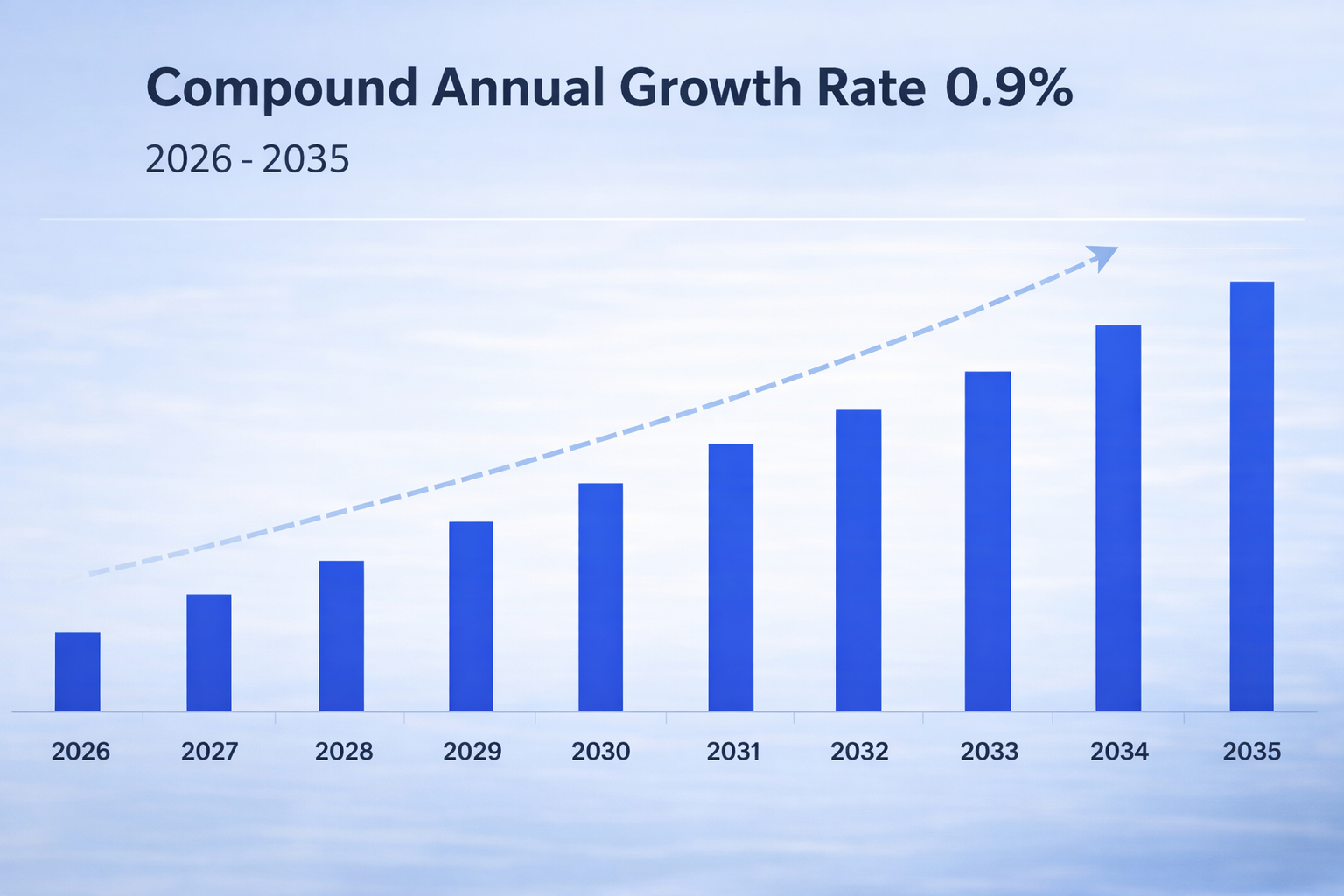
0.90% CAGR (2026–2035), reflecting steady growth driven by fully synthetic motor oil demand and the engine oil premiumization trend.
Q2. What is driving the shift toward fully synthetic motor oil in the US?
OEM mandates for 0W-20 and 0W-16 grades, ILSAC GF-7 and API SP standards, and consumer preference for extended drain interval oil.
Q3. How are EVs and hybrids impacting the automotive oil demand forecast?
EVs require no engine oil; hybrids drive demand for dedicated hybrid vehicle engine oil and stop-start engine oil technology. Electric drive unit fluid is an emerging growth category.
Q4. Which US regions lead in premium engine oil demand?
Far West (California CARB regulations), Southwest (extreme heat), and Southeast/Mideast (high vehicle population and automotive aftermarket oil retail volume).
Q5. Who are the top key players in the US automotive engine oils market?
ExxonMobil (Mobil 1), Shell (Pennzoil, Quaker State), BP (Castrol), Valvoline, and Chevron (Havoline) — alongside specialists AMSOIL, LIQUI MOLY, Motul, FUCHS, and TotalEnergies.
Q6. What standards govern engine oil quality in the US?
ILSAC GF-7 and API SP for gasoline engines; API CK-4/FA-4 for diesel. Key OEM approvals include GM dexos1 Gen3, Ford WSS-M2C, and Chrysler MS-6395.
Q7. What is the significance of sustainable engine oil in this market?
Biodegradable engine oil, re-refined base oil Group II/IV, and electric drive unit fluid development are key sustainability priorities, with California’s CARB framework as the lead regulatory driver.
Q8. What is the role of the quick lube service center channel?
It is the fastest-growing distribution point in the US automotive aftermarket, driving volume for passenger car motor oil (PCMO), high mileage engine oil, and best synthetic motor oil brands.
Market Perspective
The United States automotive engine oils market represents a mature but actively evolving landscape where volume stability masks significant qualitative transformation. The 0.90% CAGR projected through 2035 belies the substantial engine oil premiumization, product innovation, and sustainability transition underway. Fully synthetic motor oil, hybrid vehicle engine oil, low-viscosity engine oil grades, biodegradable engine oil, and electric drive unit fluid technologies are collectively redefining the market’s value architecture.
Leading players — from ExxonMobil Mobil 1 and Shell Pennzoil Quaker State to specialist brands like AMSOIL and LIQUI MOLY — are investing in next-generation formulations, OEM partnerships, and quick lube service center networks. As the US automotive lubricants market navigates the twin transitions of electrification and sustainability, brands that align motor oil additive package performance with evolving ILSAC GF-7 and API SP requirements will lead through 2035 and beyond.
Media Contact:
Company Name: Claight Corporation
Email: sales@expertmarketresearch.com
Toll Free Number: +1-415-325-5166 | +44-702-402-5790
Address: 30 North Gould Street, Sheridan, WY 82801, USA
Website: https://www.expertmarketresearch.com