
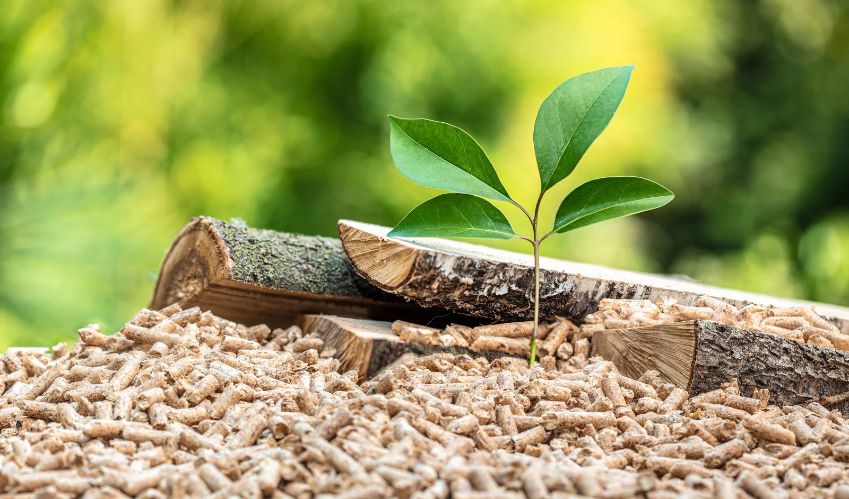
Japan has become an important destination for international biomass suppliers as the country continues to explore renewable energy sources and diversify its electricity generation mix. Wood pellets, manufactured from compressed wood residues and other woody biomass materials, are increasingly used as fuel in biomass power plants. This has created opportunities for exporters seeking to enter the Japanese market and establish long-term supply relationships.
However, exporting wood pellets to Japan requires more than competitive pricing. International suppliers must understand local demand, product quality requirements, sustainability expectations, shipping logistics, and import procedures. A clear understanding of these factors can help exporters identify potential buyers and develop a reliable presence in Japan’s biomass fuel supply chain.
Understanding Japan’s Wood Pellet Import Market
Japan’s wood pellet import market is closely connected to its renewable energy policies, biomass power generation capacity, and demand for dependable fuel supplies. Domestic forestry resources contribute to the country’s biomass industry, but imported wood pellets remain an important option for power producers that require consistent volumes throughout the year.
Countries such as Vietnam, Canada, and the United States have participated in supplying wood pellets to Japan. Their competitiveness depends on production capacity, transport costs, product specifications, sustainability credentials, and the ability to fulfil long-term contracts. Exporters from other regions may also find opportunities when they can offer reliable quality and commercially attractive delivery terms.
For international biomass companies, understanding the needs of Japanese buyers is an essential starting point. Power producers and fuel procurement companies typically evaluate suppliers based on product consistency, dependable delivery schedules, documentation, and the ability to maintain supply over an extended period.
Key Requirements for Exporting Wood Pellets to Japan
Before entering the Japanese market, exporters should assess the technical and commercial requirements that influence buyer acceptance.
Product quality and specifications: Buyers may evaluate moisture content, ash content, calorific value, pellet durability, particle size, and fines. Consistent specifications help maintain combustion efficiency and reduce operational problems at biomass facilities. Exporters should provide laboratory test reports and agree on measurable product standards with buyers before shipping.
Sustainability and traceability: Responsible sourcing is an important consideration in international biomass trade. Buyers may request information about the origin of raw materials, forest management practices, chain-of-custody systems, and sustainability certification. Depending on the buyer and applicable energy support scheme, additional documentation may be required to demonstrate that the biomass meets relevant sustainability criteria.
Import documentation: Exporters generally need commercial invoices, packing lists, bills of lading, certificates of origin where applicable, and supporting product documentation. Phytosanitary or other regulatory documents may be necessary depending on the material, processing method, and applicable Japanese import rules. Suppliers should confirm the current requirements with Japanese importers and relevant authorities before dispatch.
Logistics and Shipping Considerations
Shipping is a major component of the total cost of wood pellet exports to Japan. Since pellets are commonly transported in bulk, exporters must assess port infrastructure, vessel availability, handling charges, freight rates, and the distance between production facilities and export terminals.
Wood pellets can absorb moisture and may deteriorate if exposed to unsuitable storage conditions. Proper handling, dry storage, ventilation where appropriate, and suitable transport arrangements help preserve product quality during the journey. Exporters should also account for dust generation, cargo handling procedures, and the potential for self-heating or carbon monoxide accumulation during storage and transport.
Selecting the right shipping arrangement depends on shipment volume, buyer requirements, and port facilities. Larger suppliers may benefit from bulk shipments, while smaller exporters may need to explore alternative arrangements that remain commercially viable. Clear agreements on inspection, loading, sampling, and responsibility for cargo quality can help prevent disputes between buyers and sellers.
How International Suppliers Can Find Japanese Buyers
Establishing relationships with the right buyers is essential for businesses entering the Japan wood pellet import market. Potential customers include biomass power plant operators, fuel trading companies, energy procurement businesses, and industrial users that rely on biomass for heat or electricity generation.
Exporters can identify potential partners through international biomass trade exhibitions, renewable energy conferences, industry associations, and business-to-business trade platforms. Direct outreach to procurement teams can also be effective when supported by a professional company profile, detailed product specifications, and evidence of export capability.
Suppliers should prepare a clear commercial proposal that includes production capacity, pellet specifications, available certifications, monthly supply volumes, shipment options, and indicative pricing. Providing reliable information from the beginning helps buyers assess whether the supplier can meet their operational and contractual requirements.
Building trust is particularly important when seeking long-term supply contracts. Japanese buyers may place considerable emphasis on consistency, communication, risk management, and the ability to resolve operational issues promptly. Exporters that demonstrate these capabilities can strengthen their position in a competitive international market.
Challenges and Opportunities in Wood Pellet Exports to Japan
International suppliers may face several challenges, including fluctuating freight rates, currency movements, changing raw material costs, sustainability verification, and competition from established exporters. Long-distance shipping can also affect the delivered price, making supply chain efficiency an important competitive factor.
At the same time, opportunities exist for producers that can deliver consistent-quality pellets from responsibly managed resources. Investments in efficient production, quality control, traceability systems, and dependable logistics can help exporters meet buyer expectations and differentiate their offerings.
Businesses should also monitor changes in Japan’s renewable energy policies and biomass sustainability requirements. Regulatory developments can influence procurement decisions, project economics, and the eligibility of particular biomass supplies under relevant support mechanisms. Staying informed helps exporters adapt their strategies and avoid relying on outdated market assumptions.
Conclusion
Wood pellet exports to Japan offer international biomass suppliers an opportunity to participate in an established renewable energy supply chain. Success depends on understanding buyer requirements, maintaining consistent product quality, demonstrating responsible sourcing, and managing shipping and documentation effectively.
Companies considering entry into this market should conduct thorough buyer research, calculate the full delivered cost, and verify current Japanese import and sustainability requirements before committing to supply agreements. By combining competitive pricing with dependable service and transparent sourcing, exporters can build stronger commercial relationships and pursue long-term opportunities in Japan’s biomass industry.