
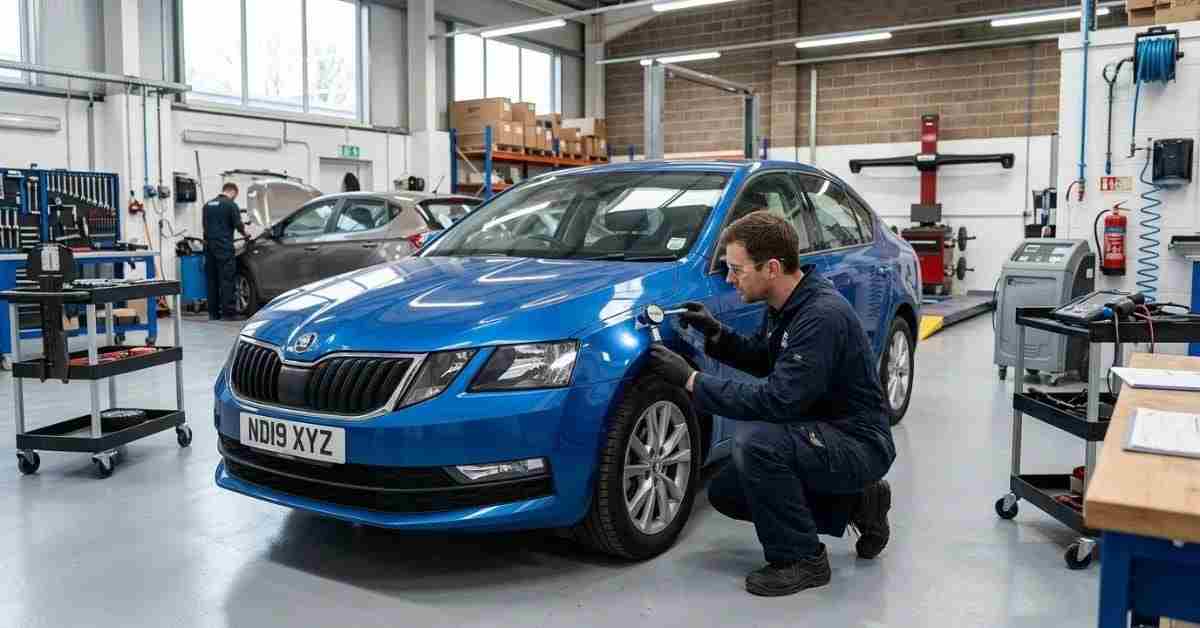
A professionally repaired car should look right, but appearance is only one part of a quality crash repair. After an accident, the repair process may involve bodywork, structural components, suspension, steering, electronic systems and driver-assistance technology.
Choosing a trusted auto repair garage can help ensure that the relevant checks and repairs are carried out properly rather than focusing only on visible damage.
Quality assurance in vehicle crash repairs is about confirming that the affected parts and systems have been appropriately restored and checked before the vehicle returns to the road.
Understanding what these checks involve can help drivers ask the right questions, review the repair work and feel more confident when collecting their vehicle.
What Does Quality Assurance Mean in Crash Repairs?
Quality assurance (QA) is the process of building checks into the repair journey so that problems can be identified and corrected before the vehicle is returned.
This can include reviewing the initial damage assessment, following appropriate manufacturer repair procedures, checking replacement parts and repair work, verifying vehicle systems and carrying out a final inspection.
The current BS 10125:2022 standard covers vehicle damage repair processes, including repair preparation, reinstatement of affected vehicle systems, personnel competence, tools and equipment, parts, process management and process control.
For a driver, the important point is simple: a high-quality repair should consider the vehicle as a whole, not just the damaged panel.
What Happens During a Quality-Assured Crash Repair?
Initial Damage Assessment
The repair process begins with identifying the visible and potential damage caused by the collision.
A proper assessment may consider:
- Body panels and exterior components
- Structural areas where relevant
- Steering, suspension and wheel alignment
- Lights and glazing
- Sensors and cameras
- Airbags and other safety systems
- Mechanical or electrical components affected by the impact
The repair plan should reflect the vehicle’s condition and the manufacturer’s applicable repair information.
Structural and Bodywork Checks
Not every accident causes structural damage, but where structural areas are affected, their condition needs appropriate assessment and repair.
Body panels should also be correctly aligned, securely fitted and finished to an appropriate standard. Gaps, paint defects, damaged trim, lights and other visible components can form part of the final inspection.
The objective is not simply to remove dents. It is to restore the vehicle appropriately following the damage.
Replacement Parts and Repair Methods
Parts and repair methods matter because modern vehicles use different materials, construction techniques and safety systems.
BS 10125:2022 specifically addresses parts and controlled consumables, repair processes, equipment and technician competence as part of its vehicle damage repair requirements.
Drivers can therefore ask what parts were replaced and whether the repair followed the relevant manufacturer or recognised repair procedures.
Reinstating Vehicle Systems
A collision or the repair process can affect systems that are not immediately visible.
Depending on the vehicle and accident, checks may involve:
- Diagnostic systems
- Airbag and restraint systems
- Parking sensors
- Cameras and radar
- Steering and suspension
- Wheel alignment
- Lighting and electrical systems
A diagnostic scan can provide useful information, but it should be considered alongside physical inspection and other relevant checks rather than treated as proof that every aspect of a repair is correct.
Why Do ADAS Checks Matter After an Accident?
Advanced Driver Assistance Systems (ADAS) use cameras, radar and other sensors to support functions such as lane assistance, emergency braking and obstacle detection.
These systems can be affected by body repairs, changes to vehicle geometry, sensor removal or refitting and other work around their components. UK government guidance states that ADAS maintenance should be completed by a competent person using the vehicle manufacturer’s technical specifications, with relevant repair or calibration work documented.
It also identifies body repairs, wheel-alignment adjustments and mechanical repairs affecting geometry among situations where sensor or camera calibration should be checked.
The Institute of the Motor Industry’s published guidance similarly highlights the importance of identifying affected ADAS sensors during repair planning and keeping evidence of calibration where required.
This makes ADAS verification an important part of modern accident repair quality.
What Should Be Checked Before Your Car Is Returned?
A useful final checklist includes:
| Quality check | What it helps confirm |
| Damage assessment | Relevant accident damage has been identified |
| Structural inspection | Appropriate structural repairs have been completed |
| Panel alignment | Body panels and components fit correctly |
| Parts check | Appropriate replacement parts have been used |
| Diagnostic scan | Relevant electronic faults have been investigated |
| ADAS check | Affected sensors and cameras have been assessed |
| Wheel alignment | Steering and geometry are appropriately checked |
| Final inspection | Bodywork, lights, trim and visible defects are reviewed |
| Road test | Relevant driving functions operate as expected |
| Repair records | Important repair and calibration work is documented |
Not every vehicle requires every check. The appropriate process depends on the accident, vehicle design and repairs undertaken.
What Repair Standards Should a UK Bodyshop Follow?
One useful standard for understanding vehicle damage repair processes is BS 10125:2022. BSI describes it as the current fully revised standard for consistently safe, high-quality vehicle damage repairs. It covers areas including repair processes, competence, equipment, parts, system reinstatement and process control.
BS 10125 is not a guarantee that every individual repair is perfect, but certification or evidence of working to recognised repair processes can provide useful information when assessing a repairer’s approach.
Drivers can also ask whether the repairer follows the relevant manufacturer repair procedures and whether technicians have the appropriate competence and equipment for the work involved.
What Documents Should You Ask For After a Crash Repair?
Depending on the repair, useful records may include:
- Repair invoice or work summary
- Parts replaced
- Diagnostic or inspection results
- ADAS calibration evidence where applicable
- Wheel-alignment results where relevant
- Information about significant structural repairs
- Any warranty or guarantee information
Keeping these records can also be useful if you later sell the vehicle or need to explain its accident and repair history.
How Can Drivers Spot Signs of a Poor Repair?
Some warning signs are obvious, such as inconsistent paint finish, uneven panel gaps, loose trim or lights that do not sit correctly.
Other problems may appear while driving. The vehicle could pull to one side, steering may feel unusual, warning lights may remain illuminated, or an assistance system may behave differently from before the accident.
These symptoms do not automatically prove poor workmanship, but they should not be ignored. If something does not feel or operate as expected after a repair, contact the repairer and ask for it to be investigated.
Final Crash Repair Quality Checklist
Before accepting a repaired vehicle, consider asking:
- What damage was found and repaired?
- Were any structural components affected?
- Which parts were replaced?
- Were relevant manufacturer repair procedures followed?
- Were affected electronic and safety systems checked?
- Was ADAS calibration required, and if so, was it completed?
- Has wheel alignment been checked where appropriate?
- Can I receive records of important inspections or calibration work?
A quality crash repair should go beyond restoring the vehicle’s appearance. The aim is to restore the relevant structure, components, safety systems and vehicle functions appropriately so the car can return to the road in a suitable condition.
FAQ’s
What is quality assurance in vehicle crash repairs?
It is the systematic checking of repair work and affected vehicle systems throughout the repair process, rather than relying only on a final visual inspection.
Does ADAS need calibration after an accident?
It depends on the vehicle and the work performed. Body repairs, changes to geometry and work involving sensors or cameras can create circumstances where calibration needs to be checked. Manufacturer requirements should determine the appropriate procedure.
What is BS 10125?
BS 10125:2022 is a British Standard covering vehicle damage repair processes, including repair procedures, competence, equipment, parts, system reinstatement and process control.
What should I check before collecting my repaired car?
Check the bodywork and panel fit, warning lights, lights and sensors, steering behaviour and any functions affected by the accident. Ask for relevant repair or calibration records where appropriate.
Is a diagnostic scan enough to confirm a quality repair?
No. A diagnostic scan can identify relevant electronic faults, but crash repair quality may also require physical, structural, mechanical, alignment, ADAS and visual checks depending on the vehicle and damage.